The journey toward emotional healing and inner transformation often begins with the desire to connect more deeply with oneself. For many people, traditional therapy offers important tools for navigating mental health challenges, relationship struggles, and life transitions. However, there are moments when healing requires something more comprehensive, something that addresses the emotional and psychological layers while also honoring spiritual beliefs and inner purpose. This is where the work of a spiritual therapist becomes incredibly meaningful. This holistic approach offers unique benefits that extend well beyond traditional therapy while complementing it in powerful ways. As individuals explore their own spirituality, whether influenced by tradition, intuition, or personal experiences, they often discover that spiritual healing can bring new meaning and depth to their mental and emotional growth.
Understanding the Role of a Spiritual Therapist
A spiritual therapist is trained to support clients in both emotional healing and spiritual growth. While therapy itself is rooted in mental health practices, the spiritual dimension adds an additional layer of depth to the healing process. Through spiritual counseling, individuals learn to understand their inner world more clearly, explore their spiritual concerns, and strengthen their spiritual connection. This therapeutic relationship blends psychology, spirituality, and personal insight, allowing clients to address both internal conflicts and broader life questions. Many individuals are also interested in how integrative and holistic forms of psychiatry expand the therapeutic process, and exploring more about these modern approaches can offer valuable clarity on how different healing modalities can work together.
Spiritual therapy is not limited to any specific religious belief or spiritual tradition. Instead, it embraces each person’s unique path, supporting them through practices that resonate with their personal experience. Whether someone comes from a structured religious background or has a more intuitive spiritual practice, the therapist helps them deepen their understanding without judgment or expectation. The goal is not to prescribe beliefs, but to help clients connect with their own inner wisdom.
Read More: The Holistic Path: Integrative Psychiatry Explored
Key Benefits of Working with a Spiritual Therapist

Many people wonder what are the benefits of working with a spiritual therapist and how does a spiritual therapist help in ways that differ from traditional therapy. One of the greatest advantages is the holistic nature of the process. Spiritual therapy honors the emotional, psychological, and spiritual aspects of a person’s experience, recognizing that healing often requires addressing all three. Clients often discover that spiritual therapy helps them make sense of challenges that feel deeply personal or existential. Rather than simply focusing on symptoms, a spiritual counselor offers guidance on underlying patterns, spiritual wounds, or unresolved questions that may be contributing to emotional discomfort. This deeper level of understanding allows individuals to reconnect with purpose, meaning, and inner peace.
Another key benefit is the ability to integrate coping skills with spiritual practices. Techniques such as mindfulness, meditation, breathwork, or reflective writing are often used alongside therapeutic modalities like cognitive behavioral therapy, somatic therapy, or transpersonal therapy. This combination helps clients develop emotional resilience while also nurturing their spiritual well-being.
Spiritual therapy also brings attention to connection connections with oneself, with others, and with something greater. Whether someone identifies that “greater” presence as intuition, a higher power, divine energy, or universal source, the therapeutic process helps strengthen that connection. This often leads to profound spiritual growth, renewed clarity, and a deeper understanding of one’s spiritual path. Knowing that spiritual wellness influences other areas of life, including leadership and personal empowerment, can deepen their understanding of how spirituality shapes everyday decision-making.
Read more: Exploring the Interconnectedness of Spiritual, Physical, Mental, and Emotional Health
How Spiritual Therapy Supports Mental and Emotional Healing
Spiritual therapy aligns beautifully with mental health work because it allows clients to explore healing from multiple angles. Emotional wounds often have spiritual components, and spiritual struggles are frequently tied to emotional experiences. This is why the combination of therapy and spirituality is so powerful for mental health. A spiritual therapist supports clients in developing coping skills as they work through anxiety, stress, grief, trauma, or a mental health condition. While the therapist does not replace mental health treatment when medical intervention is needed, spiritual therapy serves as a complementary form of support that deepens the healing process.
Many clients seek spiritual counseling because they want to understand their emotions through a broader lens. They want to explore how life experiences shape inner beliefs, how spiritual principles influence their choices, and how their emotional patterns may be connected to their spiritual journey. This deeper awareness often leads to emotional healing, increased self-compassion, and greater inner alignment.
Mindfulness is often incorporated into the process, offering clients tools to stay grounded, centered, and connected to the present moment. Through this work, clients learn to navigate their spiritual concerns without feeling overwhelmed, and they begin to develop a more stable and empowered perspective. This integration of personal insight and spiritual awareness often mirrors the way some leaders blend intuitive wisdom with practical strategy, showing how spiritual insight can meaningfully influence one’s professional life as well.
What to Expect Working with a Spiritual Therapist

For those new to spiritual therapy, understanding what to expect is an important part of feeling comfortable and confident entering the process. A spiritual counseling session may include reflective conversation, exploration of spiritual beliefs, discussion of personal struggles, and guidance through practices designed to foster peace and clarity.
For many clients, understanding how spiritual beliefs intersect with the therapeutic process provides reassurance and direction, especially when exploring how spirituality supports holistic emotional healing. Each session is tailored to the individual, allowing the therapist to respond compassionately to what the client is experiencing in the moment. Clients can expect to be asked questions that invite deeper introspection, insight, and emotional awareness. They may also be guided through spiritual practices that support healing, connection, and growth.
The atmosphere is always warm, grounded, and supportive. A spiritual therapist creates a space where clients feel safe discussing anything from practical life challenges to profound spiritual questions. Over time, clients often find that these sessions help them connect with their inner self in ways they had not accessed before. The work also supports long-term transformation, not just immediate relief. Clients learn how to strengthen their spiritual practices, integrate spiritual principles into their daily lives, and continue growing long after the session ends. Whether the goal is emotional healing, spiritual growth, or greater self-understanding, this form of therapy offers meaningful support every step of the way.
Conclusion
Choosing to work with a spiritual therapist opens the door to deeper emotional healing, greater clarity, and a stronger sense of inner alignment. It allows you to explore the connection between mind, body, and spirit in a supportive and meaningful way. By integrating spiritual principles with therapeutic practices, you gain tools that nurture long-term well-being and encourage growth at every stage of your spiritual journey.
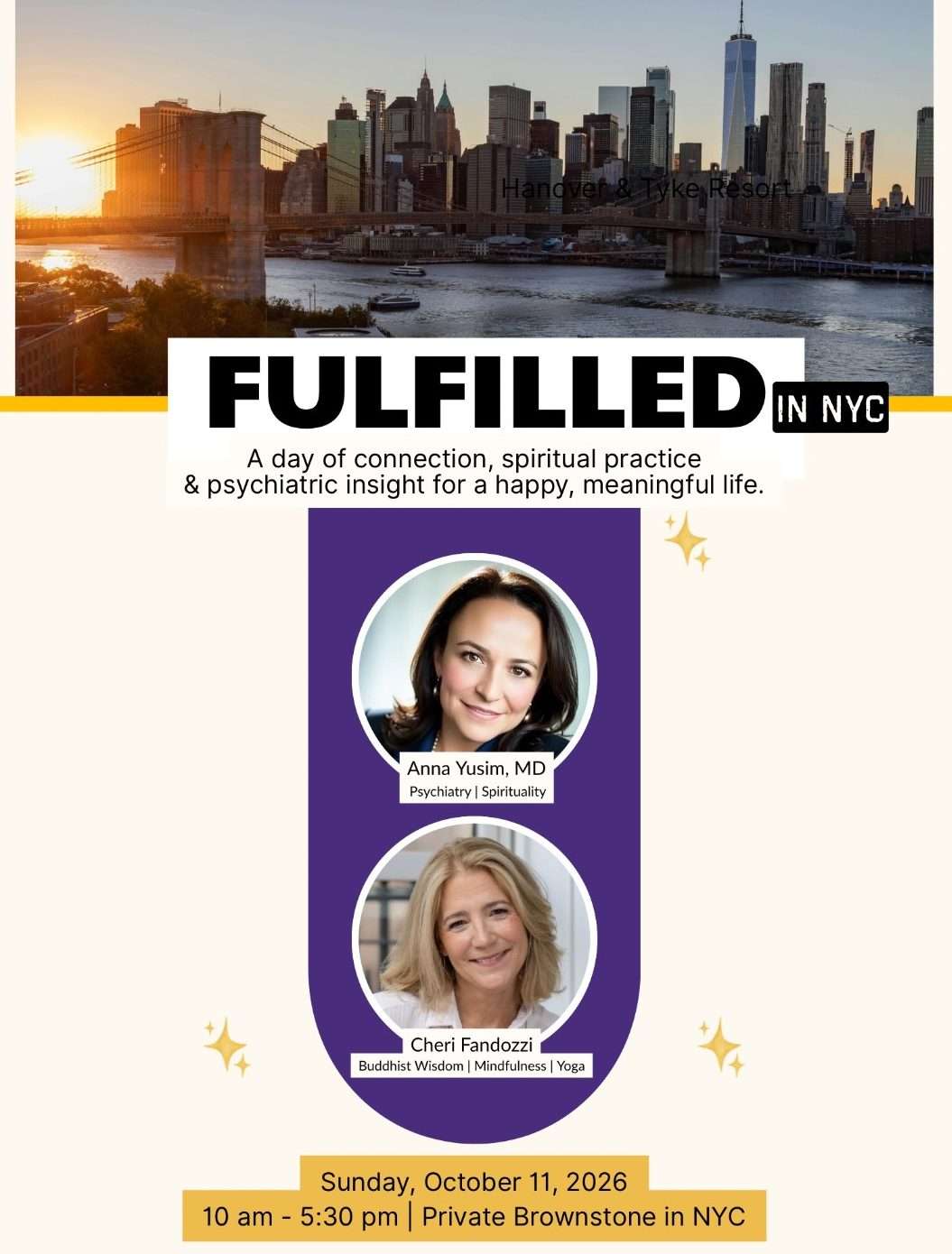
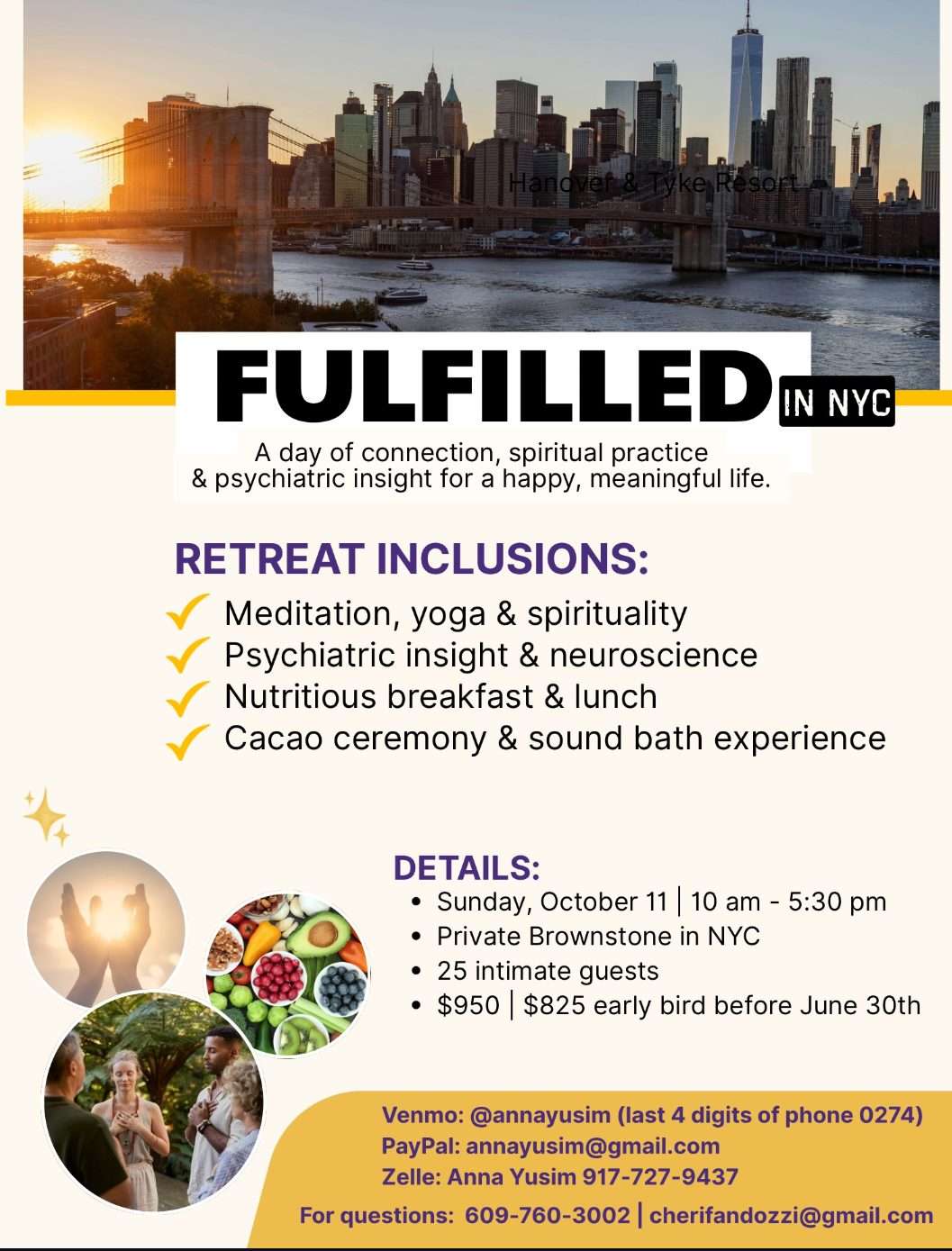
Anna Yusim, MD, provides compassionate care that honors your unique path while offering evidence-based guidance shaped by years of clinical experience. As a trusted spiritual psychiatrist in California, she provides personalized support tailored to emotional, psychological, and spiritual needs. Her services extend far beyond one region, offering the same level of expert spiritual psychiatry to individuals seeking care in Florida, Connecticut, New York, Colorado, and New Jersey. Through her holistic approach, you gain the opportunity to experience transformative healing and meaningful spiritual growth supported by a professional who understands the depth of your journey.
Contact us today to begin your path toward deeper alignment, clarity, and inner healing.