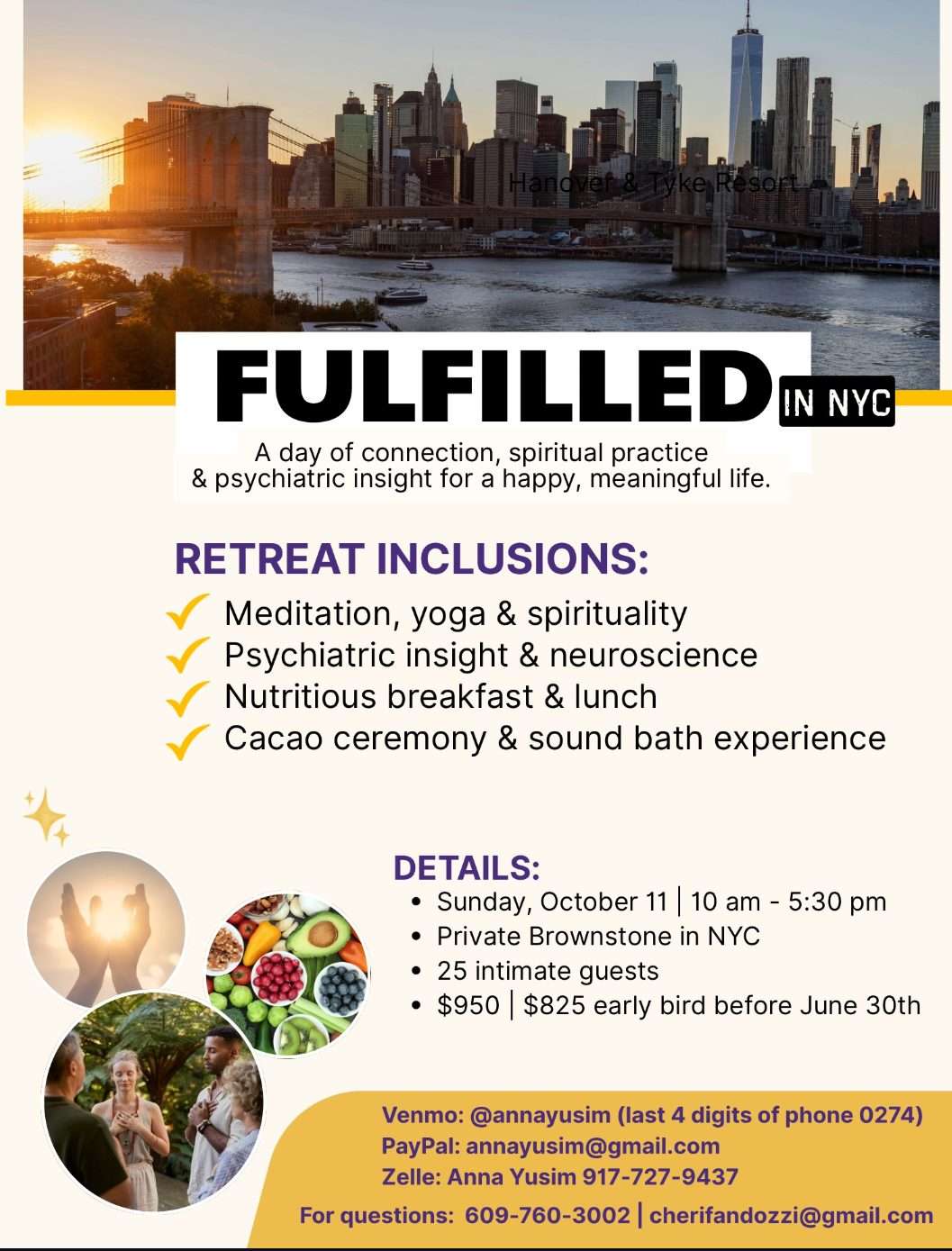
The relationship between science and spirituality has long been a topic of discussion and debate.
While science relies on empirical evidence and measurable outcomes, spirituality often encompasses personal beliefs, experiences, and a sense of connection to something greater than oneself. This intersection is particularly relevant in the field of mental health, where understanding the human experience requires both a scientific approach and an appreciation for the spiritual dimensions of life.
As mental health professionals increasingly recognize the importance of holistic care, they are beginning to explore how these two realms can coexist and complement one another. This integration can lead to more comprehensive treatment options that address not only the psychological aspects of mental health but also the emotional and spiritual needs of individuals. In recent years, there has been a growing body of research that supports the idea that spirituality can play a significant role in mental wellness.
Studies have shown that individuals who engage in spiritual practices often report lower levels of anxiety and depression, as well as higher levels of overall life satisfaction. This suggests that spirituality may serve as a protective factor against mental health issues. By examining the intersection of science and spirituality, mental health professionals can develop more effective treatment strategies that honor the diverse experiences of their patients.
This approach not only fosters a deeper understanding of the human psyche but also encourages individuals to explore their own beliefs and values as part of their healing journey.
Dr. Anna Yusim is a licensed psychiatrist who has developed an integrative approach to mental wellness that combines traditional psychiatric practices with elements of spirituality. Her work spans several states, including New York, Connecticut, New Jersey, Florida, Colorado, and California, where she serves a diverse clientele seeking both mental health support and executive coaching services.
Dr. Yusim believes that true mental wellness cannot be achieved by addressing psychological issues in isolation; rather, it requires a comprehensive understanding of the individual as a whole. By incorporating spiritual practices into her treatment plans, she helps her patients explore their inner selves and connect with their values, ultimately leading to more profound healing.
Dr. Yusim’s integrative approach is characterized by a deep respect for each patient’s unique journey. She recognizes that mental health is not solely about managing symptoms but also about fostering personal growth and self-discovery.
By creating a safe space for her patients to explore their spirituality, she encourages them to reflect on their beliefs, values, and life purpose. This process not only enhances their understanding of themselves but also empowers them to take an active role in their healing journey. Through her work, Dr.
Yusim demonstrates that mental wellness is a multifaceted endeavor that can benefit from the integration of both scientific principles and spiritual insights.
Key Takeaways
- Science and spirituality intersect in the field of mental wellness, offering a holistic approach to treatment.
- Dr. Yusim’s integrative approach combines traditional therapy with spiritual practices to address mental health.
- Spirituality plays a significant role in mental health, providing a sense of purpose, connection, and meaning.
- Scientific research supports the benefits of spiritual practices such as meditation and mindfulness for mental wellness.
- Case studies demonstrate how Dr. Yusim’s approach has positively impacted patients’ mental health and well-being.
Understanding the Role of Spirituality in Mental Health
Spirituality can play a crucial role in mental health by providing individuals with a sense of purpose, belonging, and connection to something larger than themselves. For many people, spirituality offers comfort during difficult times and serves as a source of strength when facing life’s challenges. It can help individuals navigate feelings of isolation or despair by fostering a sense of community and shared experience.
Furthermore, spirituality often encourages practices such as mindfulness, meditation, and prayer, which have been shown to reduce stress and promote emotional well-being. By understanding the role of spirituality in mental health, mental health professionals can better support their patients in finding meaning and resilience in their lives. Moreover, spirituality can serve as a valuable tool for coping with mental health issues.
Many individuals turn to their spiritual beliefs during times of crisis or uncertainty, finding solace in rituals or community support. This connection can provide a framework for understanding suffering and adversity, allowing individuals to reframe their experiences in a more positive light. Additionally, engaging in spiritual practices can promote self-reflection and personal growth, which are essential components of effective mental health treatment.
By recognizing the significance of spirituality in their patients’ lives, mental health professionals can create more personalized treatment plans that address both psychological and spiritual needs.
The Science Behind Spiritual Practices
The scientific exploration of spirituality has gained momentum in recent years, with numerous studies highlighting the positive effects of spiritual practices on mental health. Research has shown that engaging in activities such as meditation, prayer, or mindfulness can lead to reduced levels of stress, anxiety, and depression. These practices often promote relaxation and emotional regulation, which are essential for maintaining mental wellness.
Furthermore, studies have indicated that individuals who identify as spiritual or religious tend to have stronger social support networks, which can serve as protective factors against mental health issues. This growing body of evidence underscores the importance of integrating spiritual practices into traditional mental health treatment. Additionally, neuroscience has begun to uncover the mechanisms behind the benefits of spiritual practices.
For instance, research has demonstrated that mindfulness meditation can lead to changes in brain structure and function, enhancing areas associated with emotional regulation and self-awareness. These findings suggest that spiritual practices are not merely anecdotal but are grounded in biological processes that contribute to improved mental health outcomes. By embracing the science behind spirituality, mental health professionals can develop evidence-based interventions that incorporate spiritual practices into their treatment plans, ultimately leading to more effective care for their patients.
Dr. Yusim’s integrative approach has yielded positive outcomes for many patients who have sought her guidance for various mental health challenges. One notable case involved a young professional struggling with anxiety and burnout due to the pressures of her demanding job.
Through traditional therapy techniques combined with mindfulness practices and spiritual exploration, Dr. Yusim helped her patient identify the root causes of her anxiety while also encouraging her to reconnect with her values and passions outside of work. Over time, this holistic approach allowed the patient to develop healthier coping strategies and ultimately led to a more balanced lifestyle.
Another case involved an individual dealing with depression following a significant life change. Dr. Yusim utilized her integrative approach to help this patient explore his feelings surrounding the transition while also introducing him to meditation and journaling as tools for self-reflection.
By fostering a deeper understanding of his emotions and encouraging him to engage with his spirituality, Dr. Yusim guided him toward finding meaning in his experiences. As a result, the patient reported significant improvements in his mood and outlook on life, demonstrating the effectiveness of combining traditional therapy with spiritual practices.
The Importance of Addressing the Spiritual Dimension in Mental Wellness
Addressing the spiritual dimension in mental wellness is essential for providing comprehensive care that meets the diverse needs of individuals seeking help. Many people view their spirituality as an integral part of their identity; thus, neglecting this aspect can lead to incomplete treatment outcomes. By recognizing the significance of spirituality in mental health, practitioners can create more inclusive environments where patients feel comfortable discussing their beliefs and values.
This openness fosters trust between patients and providers, ultimately enhancing the therapeutic alliance and improving treatment efficacy. Furthermore, incorporating spirituality into mental health care can empower individuals to take an active role in their healing journey. When patients are encouraged to explore their spiritual beliefs and practices, they often gain insights into their own strengths and resilience.
This self-discovery process can lead to increased motivation for change and personal growth. By addressing the spiritual dimension alongside psychological concerns, mental health professionals can help individuals cultivate a sense of purpose and fulfillment in their lives—key components of lasting mental wellness.
Integrating Traditional Therapy with Spiritual Practices
The integration of traditional therapy with spiritual practices represents a promising avenue for enhancing mental health treatment outcomes. Traditional therapeutic approaches often focus on cognitive-behavioral techniques or psychodynamic exploration; however, incorporating spiritual elements can enrich these methods by providing additional tools for self-exploration and healing. For instance, therapists may encourage patients to engage in mindfulness meditation or reflective journaling as part of their treatment plan—practices that have been shown to promote emotional regulation and self-awareness.
Moreover, integrating spiritual practices into therapy allows for a more personalized approach tailored to each individual’s unique beliefs and experiences. This flexibility enables therapists to meet patients where they are on their journey while respecting their values and preferences. By fostering an environment where spirituality is acknowledged and explored, therapists can help patients develop a deeper understanding of themselves and their place in the world—ultimately leading to more meaningful therapeutic experiences.
The Future of Mental Health Treatment: Embracing Science and Spirituality
As the field of mental health continues to evolve, there is an increasing recognition of the need to embrace both science and spirituality in treatment approaches. The integration of these two realms offers a more holistic perspective on mental wellness that acknowledges the complexity of human experience. By combining evidence-based practices with spiritual insights, mental health professionals can create comprehensive treatment plans that address not only psychological symptoms but also emotional and spiritual needs.
Looking ahead, it is likely that we will see further advancements in research exploring the intersection of science and spirituality within mental health care. As more practitioners adopt integrative approaches like those championed by Dr. Yusim, patients will benefit from treatments that honor their unique journeys while promoting overall well-being.
Ultimately, embracing both science and spirituality will pave the way for a more compassionate and effective future in mental health treatment—one that recognizes the profound interconnectedness of mind, body, and spirit.
If you’re intrigued by Dr. Yusim’s integration of science and spirituality in mental wellness, you might find the article Crafting Your Personalized Treatment Plan particularly enlightening. This piece delves into the importance of tailoring mental health treatments to individual needs, a concept that complements Dr. Yusim’s holistic approach. It explores how personalized strategies can enhance therapeutic outcomes by aligning with one’s unique psychological and spiritual makeup, further emphasizing the synergy between personalized care and overall mental wellness.
FAQs
What is Dr. Yusim’s approach to mental wellness?
Dr. Anna Yusim’s approach to mental wellness combines the principles of science and spirituality to help individuals achieve mental and emotional well-being.
How does Dr. Yusim integrate science and spirituality in her approach?
Dr. Yusim integrates science and spirituality by incorporating evidence-based psychological techniques with spiritual principles from various traditions, such as mindfulness, meditation, and connection to a higher purpose.
What are the benefits of integrating science and spirituality in mental wellness?
Integrating science and spirituality in mental wellness can provide individuals with a holistic approach to healing, addressing both the psychological and spiritual aspects of their well-being.
Is Dr. Yusim’s approach evidence-based?
Yes, Dr. Yusim’s approach to mental wellness is evidence-based, drawing from scientific research and psychological principles while also incorporating spiritual practices that have shown benefits in promoting mental health.
Who can benefit from Dr. Yusim’s approach to mental wellness?
Dr. Yusim’s approach to mental wellness can benefit individuals who are seeking a holistic and integrative approach to mental health, including those who are open to exploring the intersection of science and spirituality in their healing journey.