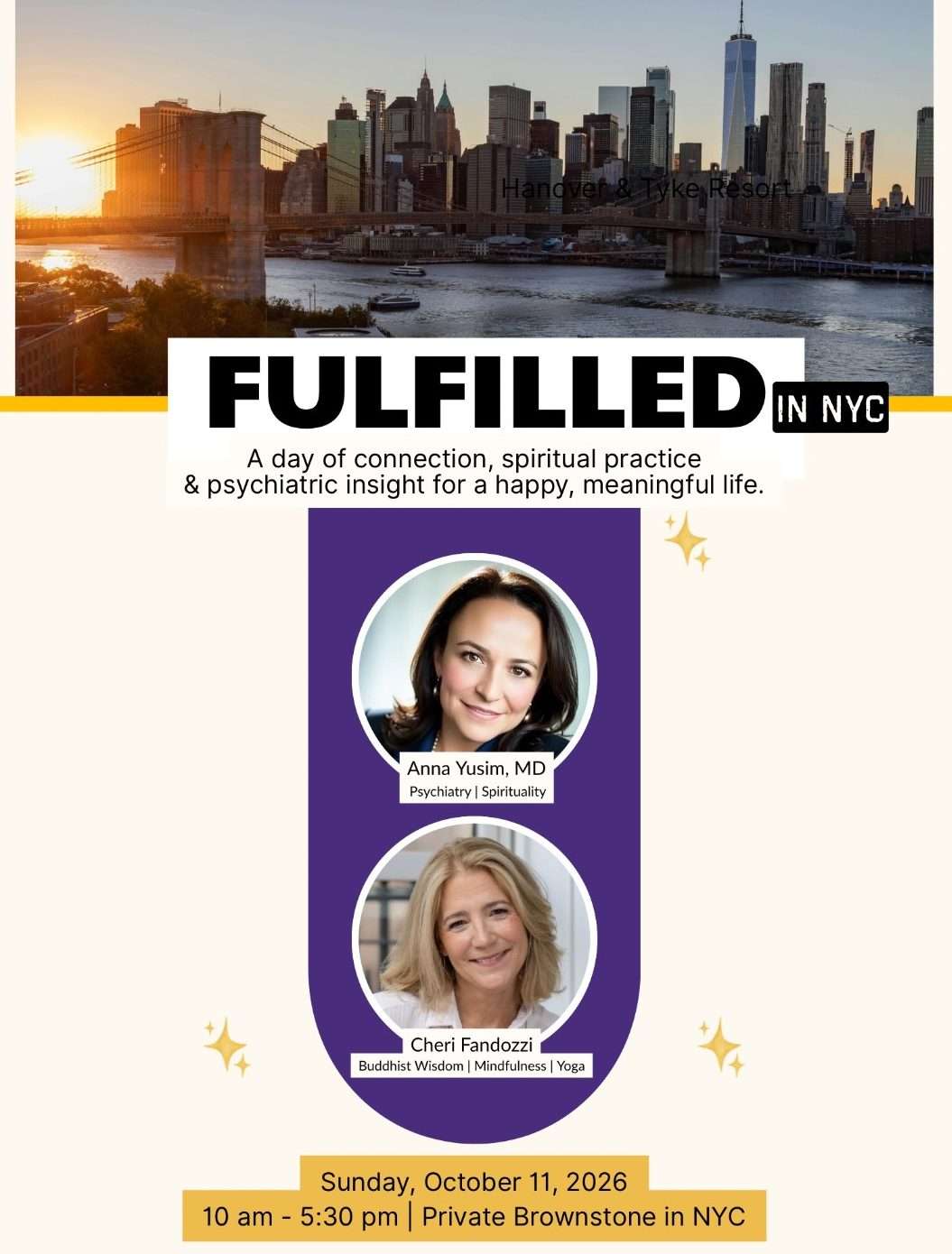
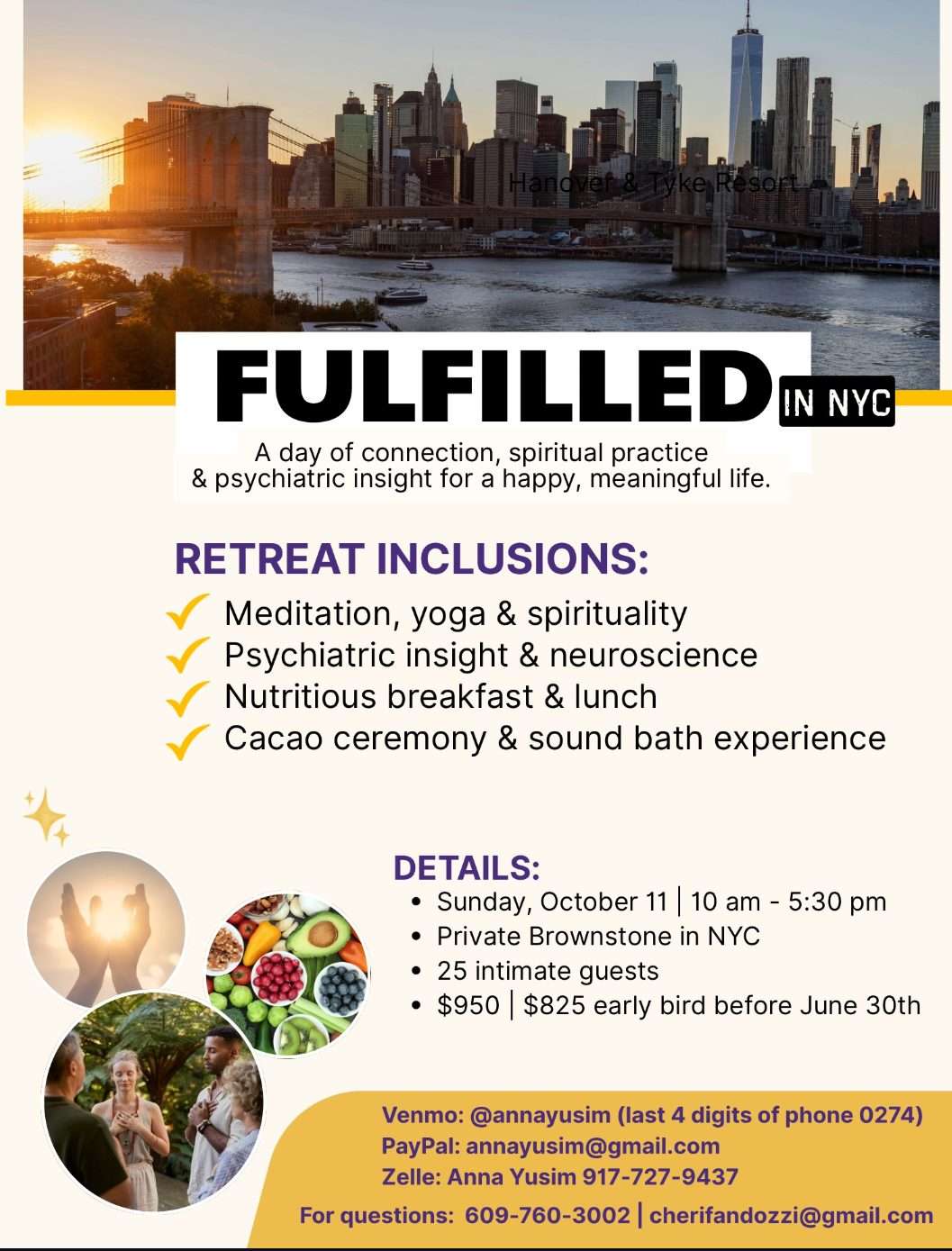
Chronic stress and burnout are becoming increasingly prevalent in our society, affecting people across various professions and life stages. These conditions, brought on by prolonged stress and emotional exhaustion, have far-reaching consequences on mental health, physical health, and overall well-being. For those seeking a holistic approach to healing, spiritual psychiatry offers a promising path. By integrating spiritual beliefs, practices, and insights with conventional mental health care, this approach supports emotional, psychological, and spiritual health.
Understanding Chronic Stress and Burnout
Before we explore spiritual psychiatry, it’s essential to understand what chronic stress and burnout entail. Chronic stress refers to a state of persistent stress over an extended period. Unlike short-term stress, which can sometimes be motivating, chronic stress overwhelms the body and mind, leading to anxiety, fatigue, and even physical symptoms such as headaches and high blood pressure. Prolonged stress can escalate to burnout, a condition of total emotional exhaustion, often accompanied by feelings of detachment, depression, and reduced performance.
Burnout is especially common in high-pressure professions, including those in ministry. Ministry burnout occurs when spiritual leaders, such as pastors and religious leaders, feel drained from the constant pressures of their roles. This type of burnout often combines spiritual challenges with emotional and physical symptoms, making solutions like spiritual psychiatry particularly relevant.
The Role of Spiritual Psychiatry
Spiritual psychiatry bridges the gap between traditional psychiatry and spiritual health by addressing not only the mind and body but also the soul. This holistic approach acknowledges that emotional exhaustion and mental disorders often have underlying spiritual causes or components. By tapping into spirituality, individuals can uncover new coping strategies and pathways to healing.
For instance, spiritual beliefs can play a significant role in managing stress. Whether through prayer, mindfulness meditation, or other spiritual activities, these practices encourage individuals to reconnect with their purpose and find inner peace. Such practices aren’t just about religious involvement – they extend to anyone seeking a deeper connection with themselves, others, or something greater.
Read More: Navigating the Crossroads of Religion and Spirituality: Where Do Your Beliefs Fall?
Signs You May Benefit from Spiritual Psychiatry
If you’re dealing with any of the following, spiritual psychiatry might offer relief:
1. Persistent Symptoms of Stress and Burnout
Struggling with symptoms like fatigue, anxiety, or emotional exhaustion? Conventional treatments might focus on reducing physical symptoms, but spiritual psychiatry digs deeper. It addresses the psychological stress and spiritual void that often accompany conditions like depression or anxiety disorders.
2. Difficulty with Emotional Regulation
For individuals battling job burnout or compassion fatigue, managing stress and emotions can feel insurmountable. Spiritual psychiatry integrates mindfulness and other spiritual practices to enhance emotional intelligence and provide relief.
3. A Desire for Daily Spiritual Experiences
If you find solace in moments of reflection, prayer, or guided meditation, spiritual psychiatry integrates these practices into mental health care. Incorporating daily spiritual experiences can redefine your relationship with stress.
4. The Search for Spiritual Well-Being
Many people seek more than just symptom relief; they desire holistic well-being. Spiritual psychiatry supports individuals in achieving spiritual well-being by aligning emotional, mental, and spiritual health.
Read More: Exploring the Interconnectedness of Spiritual, Physical, Mental, and Emotional Health
Spirituality as a Healing Tool

Spirituality doesn’t exist in a vacuum. It intersects meaningfully with mental health, offering tools to improve resilience and manage acute stress. Studies show that people engaged in spiritual practices, such as mindfulness or prayer, often report improved symptoms of depression and emotional well-being. These benefits extend to those with chronic illnesses or psychosomatic concerns.
For example, individuals managing chronic illness may experience both physical and emotional symptoms. Spiritual psychiatry helps them cope by integrating practices that bolster social support and emotional recovery. Similarly, those facing emotional exhaustion from caregiving roles or demanding careers can explore their spiritual connections to renew their energy and purpose.
Practical Steps in Spiritual Psychiatry

What does spiritual psychiatry look like in practice? It involves a combination of psychotherapy, spiritual assessments, and tailored interventions. Here’s how it works:
1. Personalized Assessments
Psychiatrists trained in spirituality assess a patient’s spiritual beliefs, stress levels, and emotional needs. This helps uncover causes of psychological or physiological stress and guides therapy.
2. Mindfulness and Coping Strategies
Therapists teach techniques like mindfulness and stress management to help clients manage perceived stress in daily life. Mindfulness meditation, for example, promotes focus and relaxation, alleviating symptoms like anxiety and depression.
3. Exploration of Meaning and Purpose
By working through existential questions, patients can achieve clarity on their life goals, values, and beliefs. This process fosters inner peace and empowers individuals to handle difficult situations with strength.
4. Support Systems
Collaboration with religious leaders or spiritual mentors can deepen the healing process. Whether it’s a pastor supporting someone through ministry burnout or a mentor guiding spiritual practice, these connections aid recovery.
Read More: Holistic Well-being Through Spiritual Exercises in Daily Life: A Case Study
How Spiritual Psychiatry Supports Emotional Well-Being in New York
Spiritual psychiatry is transforming mental health care in New York by integrating traditional psychiatry with spiritual practices to address mental, physical, and spiritual health. Amid the city’s fast-paced, high-pressure environment, challenges like burnout and anxiety are common, leaving many in need of holistic solutions. By incorporating mindfulness, purpose-driven practices, and psychotherapy, this approach offers more than symptom management. It fosters deep healing, resilience, and a renewed sense of meaning, empowering individuals to thrive despite the stresses of urban life.
Read More: Solving New York’s Mental Health Crisis
Addressing Mental Illness Through Spiritual Psychiatry
While spiritual psychiatry isn’t a replacement for traditional interventions, it complements them effectively. Conditions like bipolar disorder, chronic depression, and anxiety benefit from the added layer of spiritual care. Mental health professionals in this field combine evidence-based treatments with spiritual dialogue, empowering patients to build emotional resilience and nurture a sense of purpose.
Holistic therapy also recognizes vulnerabilities like compassion fatigue, which affects caregivers, therapists, and spiritual leaders. By incorporating practices like journaling or group meditation, spiritual psychiatry creates space for healing and emotional renewal.
The Benefits of Spiritual Psychiatry
Spiritual psychiatry offers tangible benefits, including:
1. Improved Emotional Regulation
Patients learn to respond calmly to stressors, aided by tools like mindfulness and spiritual reflection.
2. Enhanced Coping Strategies
Techniques such as prayer, visualization, or other spiritual activities build long-term resilience.
3. Stronger Social Connections
Engaging in community or religious involvement fosters belonging and reduces isolation.
4. Comprehensive Healing
Addressing both physical and mental symptoms ensures lasting recovery.
A Path to Inner Transformation
The healing power of spirituality extends beyond individual therapy sessions. Incorporating self-care practices into daily routines is essential to sustaining progress. For instance, mindfulness exercises, gratitude journaling, or participation in spiritual communities contribute significantly to emotional restoration.
Spiritual psychiatry also emphasizes growth. It encourages individuals to revisit their beliefs, strengthen their values, and align their actions with life’s bigger picture.
Read More: Transform Your Mental Health Through Dr. Yusim’s Spiritual Framework
Conclusion
At Anna Yusim, M.D., we recognize that chronic stress, burnout, and emotional exhaustion present real challenges—but they are far from insurmountable. Through an emphasis on spirituality, emotional intelligence, and personalized care, spiritual psychiatry offers a unique, holistic approach to mental health. It bridges the connection between psychological stress, physical well-being, and spiritual healing, guiding you toward lasting spiritual well-being.
If you’re feeling overwhelmed or seeking a deeper sense of purpose, exploring spiritual psychiatry with Anna Yusim, M.D. can transform how you manage stress, rebuild resilience, and find inner peace. Whether you’re in New York or looking for a spiritual psychiatrist in California, this integrative approach addresses mind, body, and spirit—providing the tools you need to reclaim your life and truly thrive.